The Heritage and Terroir of Olive Oil in Catalonia
Olive oil has shaped Catalonia for thousands of years. Long before Barcelona became a global city of gastronomy, olive trees were deeply rooted in the region’s culture, economy, and identity. Today, Catalan olive oil carries this legacy forward with a blend of tradition and innovation that makes it some of the most expressive and respected throughout Spain.
This article offers an introduction to Catalonia’s rich olive oil heritage — beginning with its ancient origins, exploring the landscapes that give the oils their distinctive character, after diving into the two prestigious DOP* regions closest to Barcelona: Siurana and Empordà. Whether you’re researching olive oil tours, planning a tasting, or simply curious about the culture that surrounds this Mediterranean treasure, this guide will give you a flavourful foundation.
*Denominación de Origen Protegida in Spanish or PDO Protected Designation of Origin in English.

The Ancient Roots of Olive Oil in Catalonia
The story of Catalan olive oil begins more than 2,500 years ago when the Phoenicians and Greeks first introduced olive tree cultivation to the Iberian Peninsula. It wasn’t until Roman rule (beginning around 218 BC) that the region became a major olive-producing territory. In the province of Hispania Tarraconensis — which included much of modern Catalonia — olive oil was pressed in villas scattered across Tarragona, Priorat, and Empordà and shipped across the empire in terracotta amphorae (double-handled, large clay pots or vessels). Olive oil was essential not only to Roman cooking but also to lighting, medicine, and ritual. Archaeological remains from the Port of Tarragona still find fragments of amphorae used to transport Catalan oils to Rome, Gaul, and North Africa.
During the Middle Ages, monastic communities and rural villages preserved olive cultivation, tending terraces and dry-stone walls that are still visible today. Many of Catalonia’s traditional “trulls” — small olive-oil mills — date back to this period. Some continue to operate with stone wheels and hydraulic presses, while others have been restored as cultural spaces where visitors can learn the history of the trade.
By the 18th and 19th centuries, olive oil had become a cornerstone of Catalan agriculture. The region’s iconic Arbequina variety expanded rapidly, loved for its delicate, fruity flavour and versatility in the kitchen. Even today, Arbequina remains the signature olive of Catalonia, though each region adds its own character.
Click Here to Discover an Olive Oil Tour in Tarragona!
Why Catalan Olive Oil Is So Distinctive
Catalonia is a land of striking contrasts, and its olive oil reflects that diversity. Groves grow along sandy coastlines, on the sun-baked slopes of Priorat, and across the breezy plains of Empordà shaped by the Tramuntana wind. This geographical variety produces oils with a spectrum of aromas: green almond, tomato leaf, apple, fresh herbs, and artichoke.
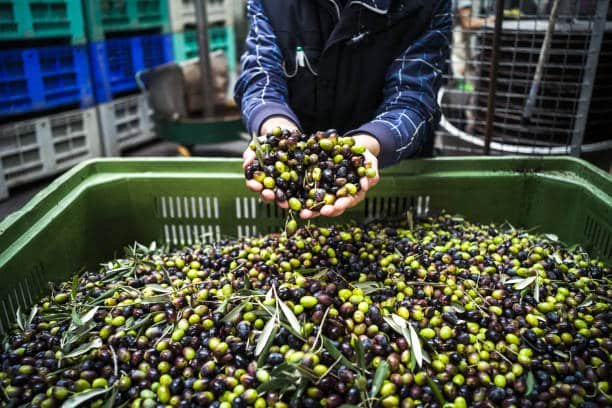
The region’s producers have also adopted modern extraction techniques that protect the purity of the olive juice, emphasising freshness, aroma, and antioxidant content. At the same time, many farmers continue to harvest by hand, maintain ancient trees, and uphold traditions that date back centuries. This marriage of old and new is one reason Catalan olive oil has gained international recognition — but another key reason is the system of DOP certifications that protect and celebrate regional identities.
What is a DOP and Why It Matters
A DOP, or Denominació d’Origen Protegida (in Catalan), is a Protected Designation of Origin that guarantees an oil’s authenticity and quality. When an olive oil carries a DOP label, it means the olives were grown, harvested, and pressed within a specific geographic area and according to strict production standards. A DOP is not simply a marketing term. It is a legal safeguard that protects traditional methods, ensures traceability, and preserves the connection between a product and the land where it was born.
In Catalonia, two of the most emblematic DOPs lie within easy reach of Barcelona: DOP Siurana, known for its velvety Arbequina oils, and DOP Empordà, famous for its bold, green, aromatic varieties shaped by the unique climate of the Costa Brava region.
DOP Siurana: Velvet Smoothness from Tarragona and Priorat
Just south of Barcelona, the DOP Siurana region stretches across rolling hills and terraced slopes that extend through Priorat, Baix Camp, and the surrounding landscapes. This is one of Catalonia’s oldest and best-known olive oil regions, celebrated for its gentle, fruity Arbequina oils.
Siurana oils often have notes of ripe fruit — banana, apple, almond — with a soft bitterness and peppery finish that make them extraordinarily balanced. Many visitors express surprise at how silky and fresh these oils taste compared to the olive oil they’re accustomed to at home. Part of what makes DOP Siurana special is its combination of ancient olive groves and modern cooperatives. Traditional stone-mill trulls still operate in some villages, while state-of-the-art presses ensure freshness and purity. It’s common to find trees in this region that are several hundred years old, producing olives that carry the “memory” of the landscape.
For travelers, DOP Siurana is one of the most accessible olive oil destinations from Barcelona. It pairs beautifully with wine tours in Priorat and offers opportunities to walk historic olive trails, visit mills, meet producers, and taste oils straight from the press.
Check out Wino Tour’s Tarragona Olive Oil & Vineyard Lunch from Barcelona Tour!
DOP Empordà: Intense, Green, and Born Between Sea and Wind
North of Barcelona, the Empordà region has a dramatically different personality. Here, olive groves grow between coastal winds, medieval villages, and the northern foothills of the Pyrenees. The olive traditions here date back to the Greek settlement at Empúries — one of the earliest entry points for olive cultivation in Spain.
The signature variety of the region is Argudell, which produces oils that are greener, more herbaceous, and slightly more bitter than those of DOP Siurana. Its aromas may recall fresh-cut grass, tomato plant, green almond, or wild herbs carried by the Tramuntana wind.
While Arbequina is also grown here, DOP Empordà oils tend to have a sharper, more vibrant profile that appeals to those who enjoy bold, aromatic extra virgin oils. Many ancient trees remain in this region as well, creating landscapes that are ideal for walking, tasting, and exploring.
DOP Empordà is also one of Catalonia’s most beautiful gastronomic regions, making it easy to combine olive oil experiences with wine tasting, Salvador Dalí-themed cultural visits, or coastal excursions along the Costa Brava.
Oleotourism: A Delicious Way to Explore Catalonia
In recent years, olive oil tourism — known as oleoturisme — has grown rapidly in Catalonia. Visitors are increasingly choosing experiences that connect them to local culture and agricultural heritage. Olive oil offers exactly that: an encounter with land, craft, and tradition (just like our wine tours!).
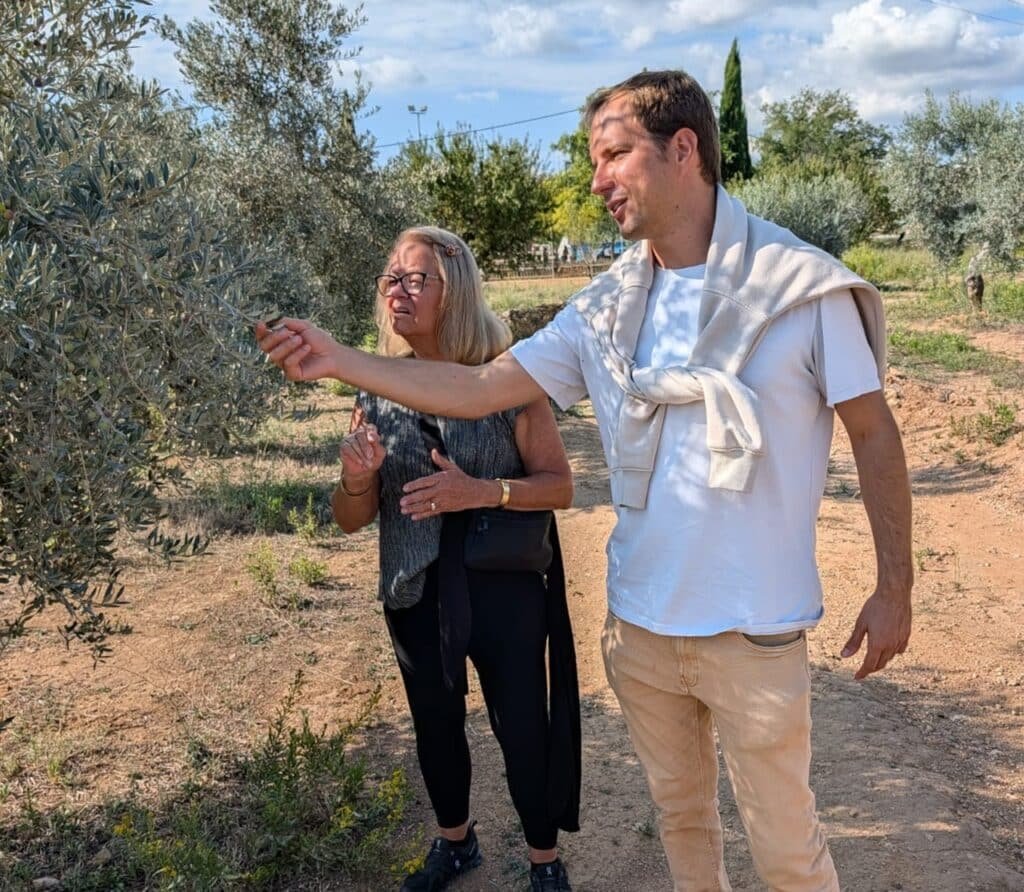
A typical olive oil experience may include a walk among ancient olive trees, a tour of a working mill, a guided tasting with a producer, and sometimes even a breakfast or picnic among the groves. During the harvest season, usually from late October to December, visitors can take part in collecting olives and watching the first oils of the season being pressed — an unforgettable sensory experience.
Both DOP Siurana and DOP Empordà offer numerous tasting routes, educational visits, and immersive tours that can be reached comfortably from Barcelona, making them perfect day-trip destinations.
Check out Wino Tour’s Unforgettable Itineraries!
Why This Matters for Travelers Today
As people seek deeper, more meaningful ways to experience a region, olive oil has become a bridge to understanding the immensely beautiful region of Catalonia. It reflects the biodiversity of the land, the resilience of traditional farming communities, and the creativity of modern culinary culture.
Tasting olive oil where it is produced — surrounded by the groves, mills, and stories that bring it to life — provides a perspective on Catalonia that goes far beyond what you can find in a restaurant or market in Barcelona. It’s food, landscape, history, and identity all in one.

A Journey That Begins with a Taste
Whether you begin in the silky landscapes of DOP Siurana or the windswept groves of DOP Empordà, exploring olive oil is one of the most rewarding ways to experience Catalonia. Each region offers something different, yet both share the same essence: a commitment to preserving tradition, honouring craftsmanship, and creating extraordinary oils that express the soul of the Mediterranean.
Once you’ve tasted a freshly pressed Catalan oil — vibrant, aromatic, and alive with the flavour of the land — you may never see olive oil the same way again.